By incorporating these HVAC repairs and services, you can maintain a comfortable indoor environment, improve energy efficiency, and prolong the lifespan of your HVAC system.
When it comes to HVAC (Heating, Ventilation, and Air Conditioning) repairs and services, it's essential to ensure the system operates efficiently for comfort, energy efficiency, and indoor air quality. Here's a comprehensive guide:
Regular Maintenance:
- Schedule routine maintenance to inspect and tune up the HVAC system. This includes checking filters, cleaning coils, and ensuring all components are in working order.
Air Filter Replacement:
- Regularly replace or clean air filters to maintain proper airflow and improve indoor air quality. Clogged filters can strain the system and reduce efficiency.
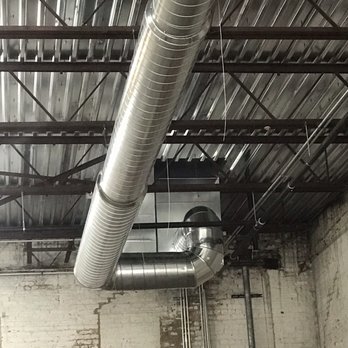
Ductwork Inspection:
- Check for leaks, blockages, or damaged ductwork. Leaky ducts can lead to energy waste and reduced system efficiency.
Thermostat Calibration:
- Calibrate and test thermostats to ensure accurate temperature readings. This helps maintain consistent comfort and efficient operation.
Cleaning Coils:
- Clean both the evaporator and condenser coils to remove dirt and debris. Dirty coils can reduce heat exchange efficiency.
Refrigerant Level Check:
- Inspect refrigerant levels and adjust if necessary. Low refrigerant levels can affect system performance and may indicate a leak.
Condensate Drain Cleaning:
- Regularly clean the condensate drain to prevent clogs. Clogged drains can lead to water damage and affect system operation.
Electrical Components Inspection:
- Inspect electrical connections, wiring, and terminals. Tighten any loose connections and replace damaged components.
Fan and Motor Maintenance:
- Inspect fan blades and lubricate the motor if necessary. Proper functioning of the fan is crucial for efficient air circulation.
System Control Testing:
- Test and calibrate system controls, including the start cycle, shut-off sequence, and safety controls.
Checking for Airflow Issues:
- Ensure there are no obstructions affecting airflow. Proper airflow is critical for the system's efficiency.
Insulation Inspection:
- Check insulation on refrigerant lines. Damaged or missing insulation can affect system efficiency.
Addressing Unusual Noises or Vibrations:
- Investigate and address any unusual noises or vibrations. These could indicate issues with components such as the fan, motor, or belts.
Smart Thermostat Integration:
- Consider upgrading to a smart thermostat for improved energy efficiency and the ability to control the HVAC system remotely.
Energy Efficiency Upgrades:
- Explore energy-efficient upgrades such as programmable thermostats, high-efficiency filters, or advanced HVAC technologies to save on energy costs.
Emergency Repairs:
- Have a plan in place for emergency HVAC repairs to address unexpected issues promptly.
Professional HVAC Services:
- For complex repairs or if you lack the expertise, consult with a qualified HVAC technician or service provider to ensure the system operates at peak efficiency.
Regular maintenance is key to preventing issues and ensuring optimal performance.

 Product Brochure